Recreating boat general-arrangement and safety drawings from legacy plans
An old vessel drawing may be useful evidence without being a reliable record of the current boat. Recreating general-arrangement and safety plans requires verification, not simply tracing. The final document must clearly state what was checked and how it is intended to be used.
Section 01Audit the available information
Collect drawings, revision histories and modification records. Identify inconsistent dimensions, missing views and unclear equipment symbols. A neat new CAD drawing can otherwise preserve old errors while appearing more authoritative.
I have recreated boat general-arrangement and safety drawings from old drawings. This user-confirmed experience is distinct from issuing class-approved as-built plans; approval status and the scope of verification must be established for each commission.
Section 02Verify the arrangement on board
Prioritise dimensions and equipment locations relevant to the intended drawing. Access routes, compartment boundaries, deck levels and machinery positions can change after refits. Record what was directly checked and what could not be accessed.
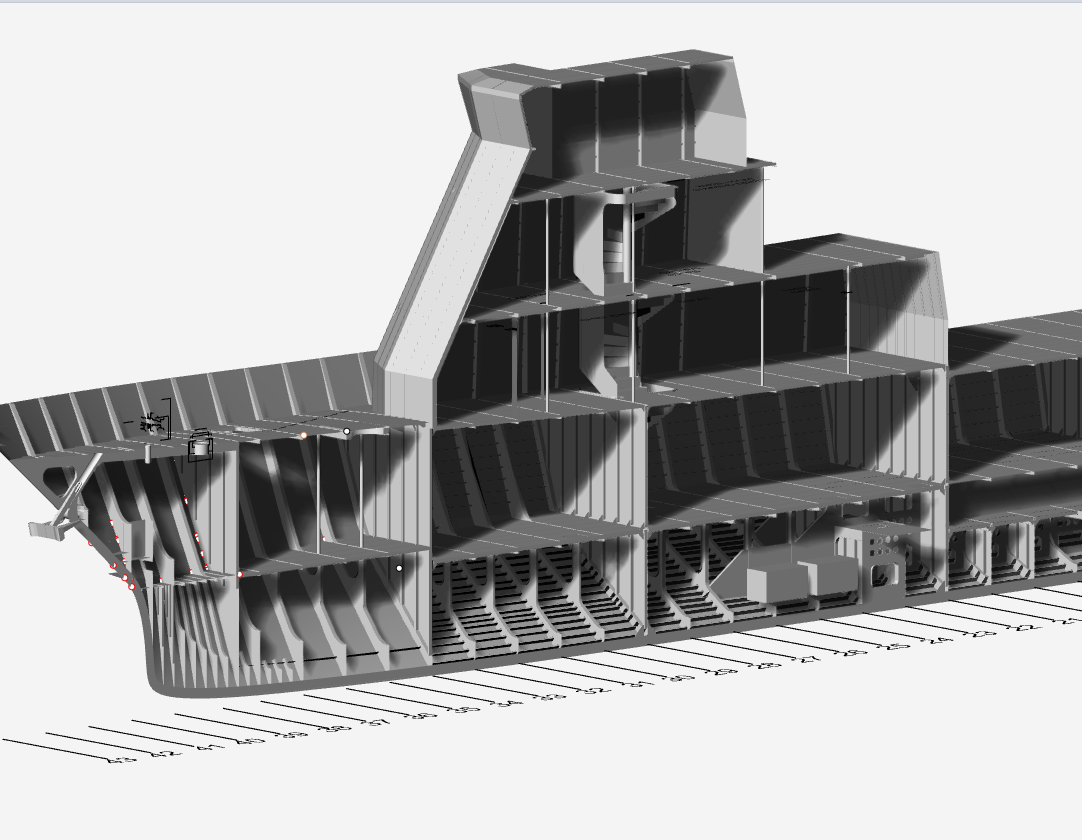
Survey photographs and measurements should be traceable to the plan. A structural cutaway helps explain the relationship between decks and compartments but is not evidence of a particular boat’s current arrangement.
Section 03Coordinate safety information with responsible parties
Safety plans may depend on verified equipment, escape routes, signage and operating requirements. Confirm the applicable vessel rules and review responsibilities. Do not copy symbols from another vessel and assume they describe the actual equipment on board.
Where the plan reveals conflicts or missing information, raise them for review. Drafting a safety drawing is not a substitute for determining compliance or inspecting equipment through the appropriate authorised process.
Section 04Use clear drawing status and revision control
Distinguish reconstructed records, survey-verified information and plans issued for a specific review purpose. Identify assumptions and unresolved areas visibly. The drawing title and issue status should not imply a level of verification that was not performed.
Keep modifications traceable between the source material, field survey and new issue. Coordinate units, scale, legends and equipment identifiers so operators and reviewers can use the plan consistently.
Section 05Maintain the record after modifications
The owner should have a process for updating plans when machinery, spaces or safety equipment change. Deliver editable and reference formats as agreed, with the relevant survey limitations. Namibia-based boat operators benefit from usable current records rather than a one-time attractive drawing.
- Legacy-record audit.
- Measured and unverified information.
- Safety-system review interfaces.
- Issue status, revisions and future updates.