Offshore mezzanine decks and storage racks: loads beyond the capacity label
A deck capacity label does not describe every possible load arrangement. Storage racks, workboat mezzanines and FPSO decks need a defined use, load distribution and support system. The engineering assessment must connect the intended operation to both the new structure and the asset receiving it.
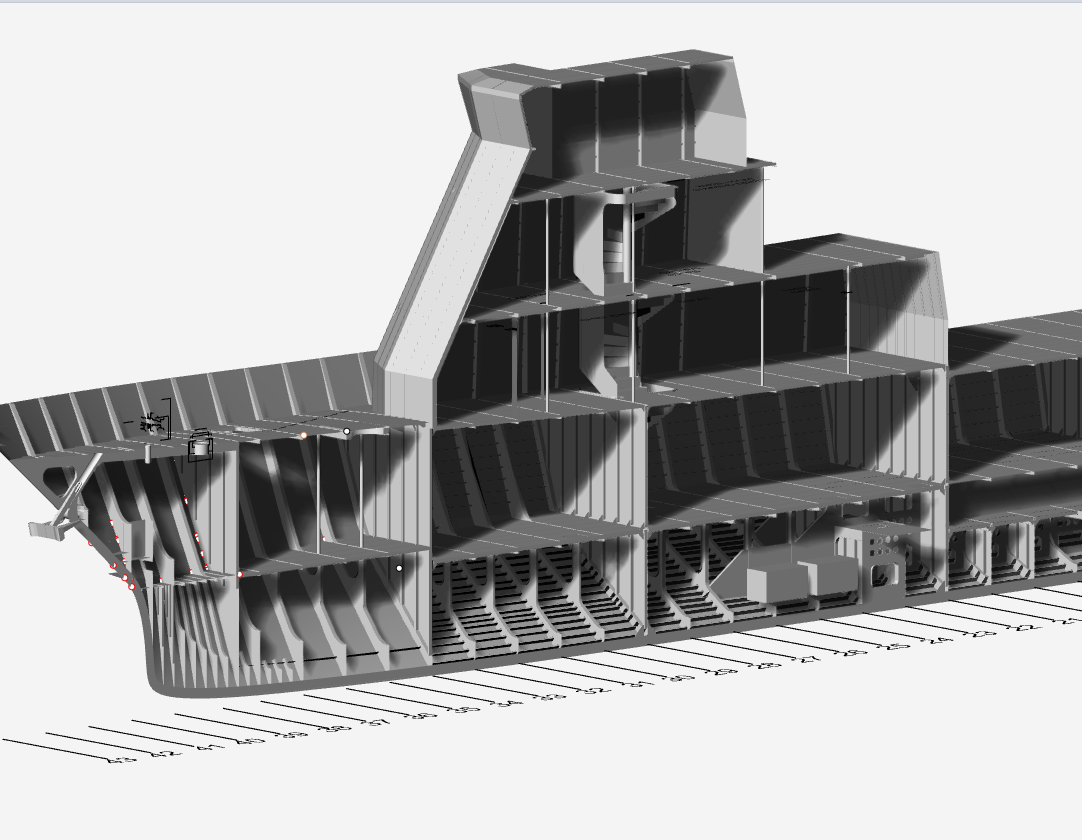
Section 01Translate intended use into load cases
Confirm whether the structure supports loose stores, equipment, personnel, containers or another duty. Concentrated loads and uneven storage can differ significantly from a uniform floor load. Operational restrictions should be considered alongside the design.
My portfolio includes a workboat mezzanine designed for a stated 10 t/m² loading and an FPSO storage mezzanine for 1 t/m², plus storage racks. These are documented project inputs, not general recommended loads or transferable ratings.
Section 02Include the marine environment
Vessel motions and the applicable operational conditions may introduce additional actions on stored equipment and supports. Establish the asset-specific basis and relevant class requirements. An onshore floor calculation is not automatically sufficient offshore.
Access routes, emergency arrangements and maintenance space also constrain the layout. A structurally adequate mezzanine can still be unsuitable if it obstructs essential equipment or safe movement.
Section 03Check receiving structure and connections
Deck reactions enter existing frames, bulkheads or other supports. Verify their geometry, condition and available capacity. Connections must transmit the forces assumed in the analysis, including relevant restraint and stability effects.
Storage racks may need attention to equipment restraints and load placement. Detail how loads are introduced into the rack rather than relying on a general capacity statement that leaves local interfaces undefined.
Section 04Coordinate stairs, railings and openings
Access structures, edge protection and penetrations are part of the complete arrangement. Their supports and attachment details need coordinated design and review under the applicable requirements. Avoid leaving these elements as site additions after the primary structure is complete.
Fabrication and installation constraints may require modular sections or a verified route through the asset. Consider lifting, welding access and the inspection programme before issuing final drawings.
Section 05Document use limits and final condition
A controlled package should identify the agreed loads, permitted arrangements, materials and connection details. Any capacity marking should reflect the reviewed design and applicable approval process. Record modifications and future inspection responsibilities.
- Load schedule and placement assumptions.
- Marine actions and supporting-asset checks.
- Access, railings and connection design.
- Fabrication records and operating restrictions.